
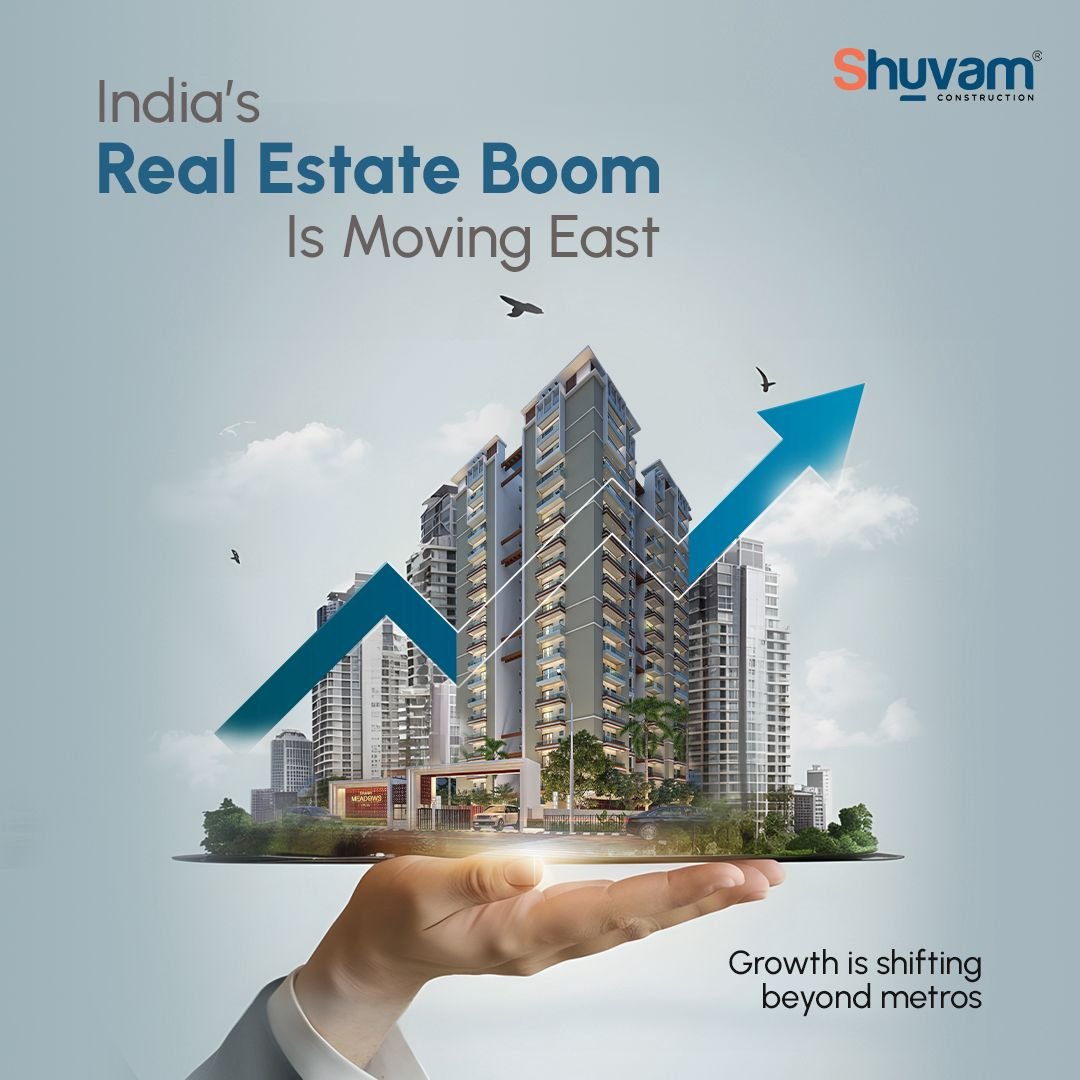
For decades, India’s real estate narrative was dominated by metropolitan giants. However, a massive structural shift is underway. As tier-1 markets reach saturation points with inflated property values and compressed rental yields, astute investors are pivoting toward emerging urban centers. Driven by an unprecedented government infrastructure push and shifting economic corridors, land prices in tier 2 cities in India are projected to surge by 50% to 100% over the next two to four years.
We are witnessing a profound transformation where housing and commercial demand naturally follow employment creation and connectivity upgrades. This marks a golden era for Tier 3 city real estate growth in India. Spearheading this next massive growth cycle are cities with robust economic fundamentals and aggressive urban development: Bhubaneswar, Cuttack, Erode, Puri, Varanasi, and Visakhapatnam. For those seeking maximum appreciation and long-term value, these are undoubtedly among the best cities to invest in land in India.
Section 1: Why Tier-2 and Tier-3 Cities Are the Next Real Estate Hotspots
The evolution of these cities from quiet administrative or cultural towns into economic powerhouses is not accidental. It is the direct result of targeted, infrastructure-driven property growth. Here is why these markets are the undisputed future real estate hotspots in India:
- Infrastructure Expansion: Massive infusions of capital into new airports, expressways, and metro rail systems are slashing transit times and opening up peripheral land for rapid development.
- Smart City Initiatives: Upgraded civic amenities, reliable power grids, and modernized waste management systems are dramatically enhancing urban livability.
- Industrial Corridors: The revival of legacy industrial clusters and the creation of new manufacturing hubs are generating large-scale local employment.
- IT Parks and Business Hubs: Corporate relocations and the establishment of IT/ITES campuses are attracting a young, high-earning demographic to emerging markets.
- Migration Trends: Migration is reversing, with skilled professionals increasingly preferring the balance of high-quality jobs, cleaner air, and shorter commutes found in non-metros.
- Affordability Compared to Metros: Investors can acquire premium land parcels at a fraction of metro prices, offering massive upside potential and defining the current wave of affordable land investment in India.
Section 2: Cities That Will Lead the Next Growth Cycle
Bhubaneswar
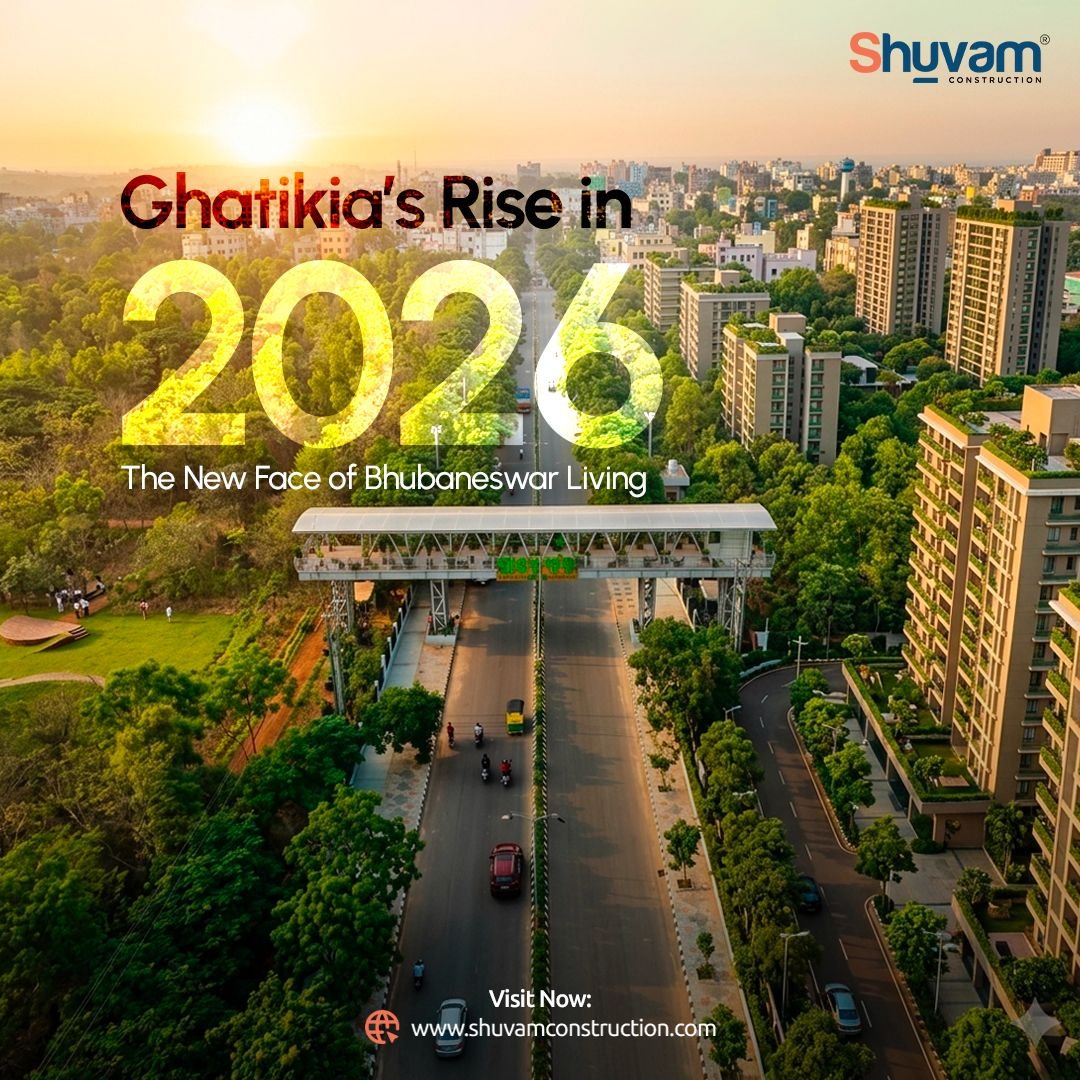
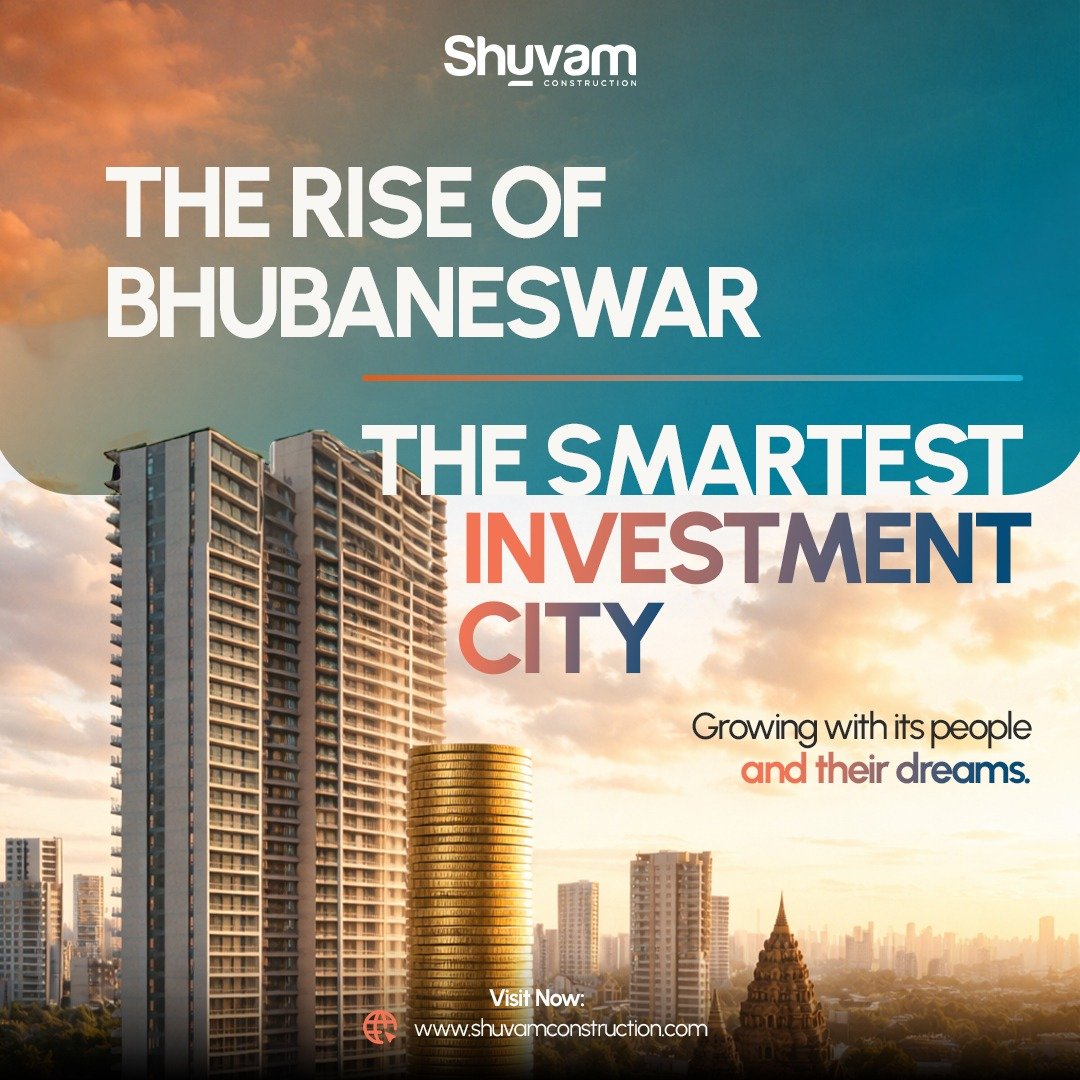
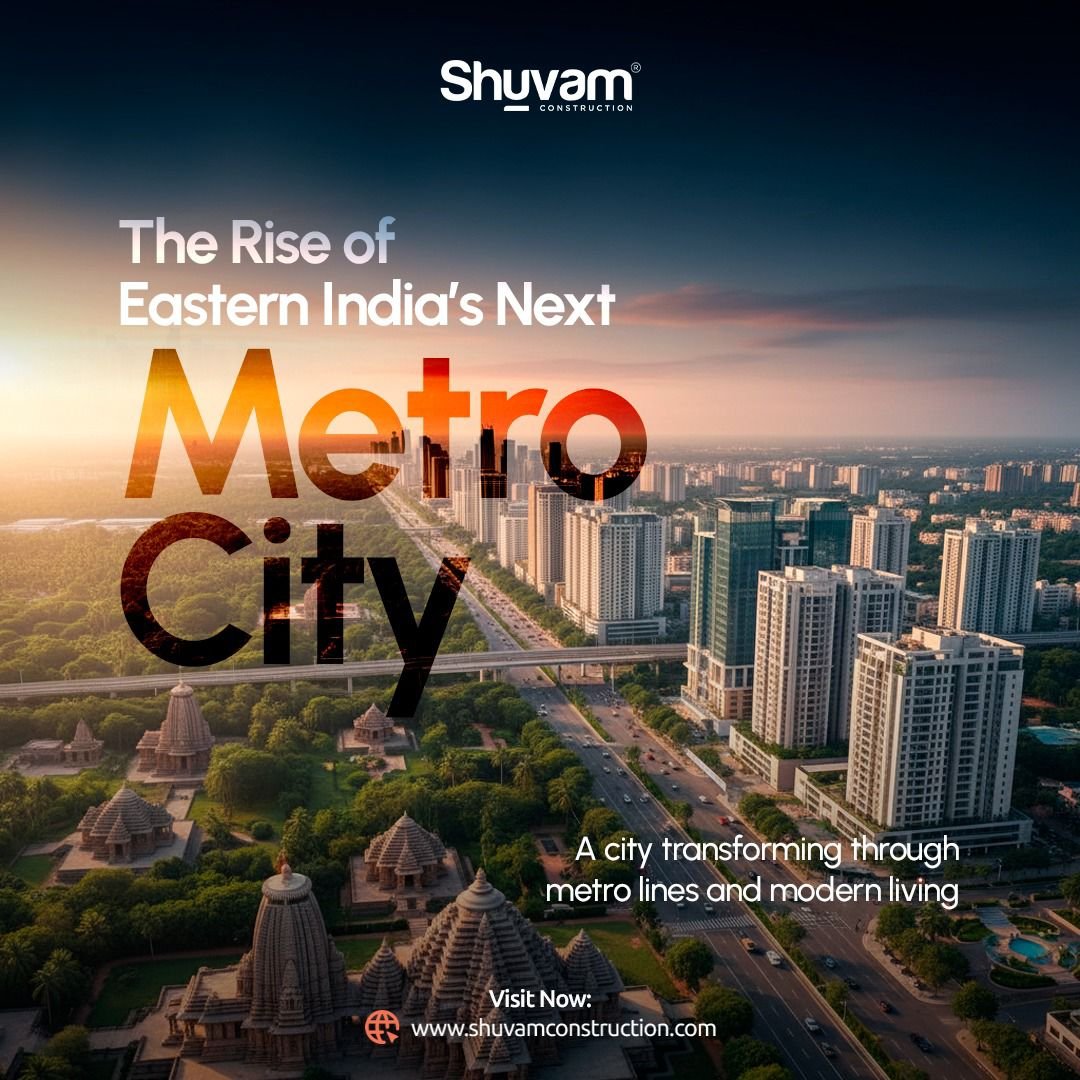
Bhubaneswar real estate growth is currently one of the most compelling investment narratives in Eastern India. The city is aggressively expanding its IT footprint, with the Info Valley and ESDM clusters driving massive white-collar employment. Coupled with strategic smart city development and the upcoming Capital Region Ring Road, these infrastructure projects are transforming the city’s landscape. The demand for plotted land and premium residential spaces is particularly explosive in high-growth micro-markets like Patia in the north and Ghatikia in the west. These zones are witnessing rapid residential expansion, excellent connectivity, and high rental yields (hovering around 3% to 4%), making them prime targets for capital appreciation.
Cuttack
As the commercial twin to Bhubaneswar, Cuttack is experiencing a highly lucrative spillover effect.
- Proximity to Bhubaneswar: The seamless connectivity between the two cities is effectively creating a unified, high-density economic tri-city zone.
- Logistics and Connectivity: Upgraded highways and ring roads are solidifying Cuttack’s position as a premier warehousing and logistics hub in the east.
- Residential Expansion: With the core city highly congested, massive residential expansion is moving toward the outskirts, driving up suburban land values.
Puri
Puri is transitioning from a traditional pilgrimage site into a premium real estate and hospitality market.
- Tourism Growth: Record-breaking tourist footfall is pushing the demand for modern hospitality, retail, and commercial infrastructure.
- Jagannath Corridor Development: The massive redevelopment around the temple has improved crowd management, safety, and aesthetics, vastly boosting investor confidence.
- Second Home Investment Demand: Improved highway connectivity has sparked a surge in demand for beachfront villas, studio apartments, and luxury second homes.
Varanasi
Varanasi has emerged as a powerhouse of the religious economy, now drawing well over 100 million visitors annually.
- Infrastructure Upgrades: Projects like the Varanasi Ring Road and expanding airport capacity are unlocking entirely new investment zones on the city’s periphery.
- Tourism: The transformation into a high-volume, year-round global destination has triggered a massive need for hospitality real estate.
- Religious Economy: The Kashi Vishwanath Corridor has successfully integrated ancient heritage with modern urban readiness, cementing Varanasi as a premier leader among emerging property markets in India.
Visakhapatnam
Vizag blends natural coastal beauty with fierce economic and industrial momentum.
- Industrial Expansion: Heavy industries and the establishment of dedicated economic zones provide a highly stable economic base for the region.
- Port Economy: As a major maritime logistics gateway, the city commands high demand for commercial and warehousing land.
- IT Investments: The growing presence of tech parks is attracting a specialized workforce, steadily driving residential land absorption in suburban corridors.
Erode
Often overlooked, Erode is a sleeping giant in the southern economic corridor.
- Textile Industry: A booming legacy textile and garment manufacturing sector ensures steady, compounding economic inflow.
- Manufacturing Growth: Diversification into agro-processing and light manufacturing is expanding the local economy and creating jobs.
- Connectivity Improvements: Enhanced road and rail networks are better linking Erode to major southern hubs, directly impacting the valuations of peripheral land.
Section 3: Why Land Prices Could Rise Up to 100%
The projection that land values will double is grounded in concrete market dynamics and data. When examining land investment in tier 2 cities, several catalysts point to hyper-growth:
- Infrastructure Investments: Properties within the influence zones of new expressways and transit corridors typically see values rise 30% to 70% from the announcement phase to project completion.
- Urban Population Growth: The influx of a salaried workforce drastically increases the demand for housing and commercial spaces, driving up the cost of raw land.
- Government Development Policies: Targeted central funds, such as the newly announced Urban Challenge Fund, are accelerating regional development and unlocking commercial prospects.
- Limited Land Supply: As core city areas saturate quickly, the rush to acquire developable land on the fringes creates a supply-demand mismatch, pushing prices upward rapidly.
- Growth of Satellite Townships: The creation of self-sustaining micro-cities on the outskirts ensures multi-year appreciation for early investors.
Section 4: Investment Opportunities in Emerging Cities
For those looking to capitalize on this boom, strategic positioning is the key to maximizing returns.
- Plotted Developments: Branded, gated plots offer the highest security and the fastest appreciation among land assets, particularly for retail investors.
- Residential Land: Purchasing land in upcoming IT or educational corridors ensures strong future resale value or high rental yields if developed into housing.
- Outskirts Investment Strategy: We recommend identifying the “path of progress”—areas where new highways or metro lines are officially planned but not yet built.
- Long-Term Appreciation: Adopt a 3-to-5-year holding horizon. Land markets react sharply to the completion of infrastructure, handsomely rewarding patient capital.
Section 5: Risks to Consider Before Buying Land
While the upside is massive, land investment requires rigorous due diligence and risk management:
- Legal Verification: Always ensure clear, unencumbered titles. Engage local legal experts to verify ownership history and ensure RERA compliance for plotted schemes.
- Zoning Regulations: Confirm that the land is zoned specifically for your intended use (residential, commercial, or agricultural) to avoid severe regulatory hurdles.
- Infrastructure Timelines: Government projects can face delays. Ensure you have the financial holding capacity to wait out potential extensions in infrastructure completion.
- Liquidity of Land Investment: Unlike equities, land is a highly illiquid asset. It may take months to find the right buyer when you decide to exit, so invest only surplus capital.
Conclusion
The narrative of Indian real estate is shifting decisively away from saturated metros. Driven by aggressive infrastructure spending, job creation, and favorable demographics, tier-2 and tier-3 cities represent the most lucrative wealth-creation opportunity of this decade. Markets like Bhubaneswar, Cuttack, Erode, Puri, Varanasi, and Visakhapatnam offer the perfect blend of affordability today and explosive growth tomorrow. We strongly encourage investors and homebuyers to enter these markets early in the growth cycle, securing prime land before impending infrastructure completions are fully priced in the appreciation. Explore our projects right here & connect with us now!!!
Sources
Recent Blogs

1. Opening Insight: The 2026 Bhubaneswar Rental Reality As we dive into the second quarter of 2026, Bhubaneswar's...

Have you ever looked at a soaring property graph in cities like Bengaluru, Pune, or Hyderabad and thought,...
For decades, India's real estate narrative was dominated by metropolitan giants. However, a massive structural shift is underway....
The year 2026 has marked a pivotal era for Bhubaneswar. Once celebrated primarily as the "Temple City of...
The story of real estate in India has changed drastically; for long, it has been based solely on...

1. Introduction: How Family Home Buying Is Evolving in Bhubaneswar Over the last couple of years, we've all...

Patia has rapidly emerged as one of the most sought-after residential destinations in Bhubaneswar. Known for its proximity...
When you think of Bhubaneswar, what’s the first image that comes to mind? For decades, it was the...
The newly approved Bhubaneswar 6-Lane Ring Road is set to transform the city’s connectivity and convenience. This landmark...

The cities of Bhubaneswar and Cuttack are on the verge of a major shift in infrastructure and urban...